10 Jan, 2026
13 Jan, 2026
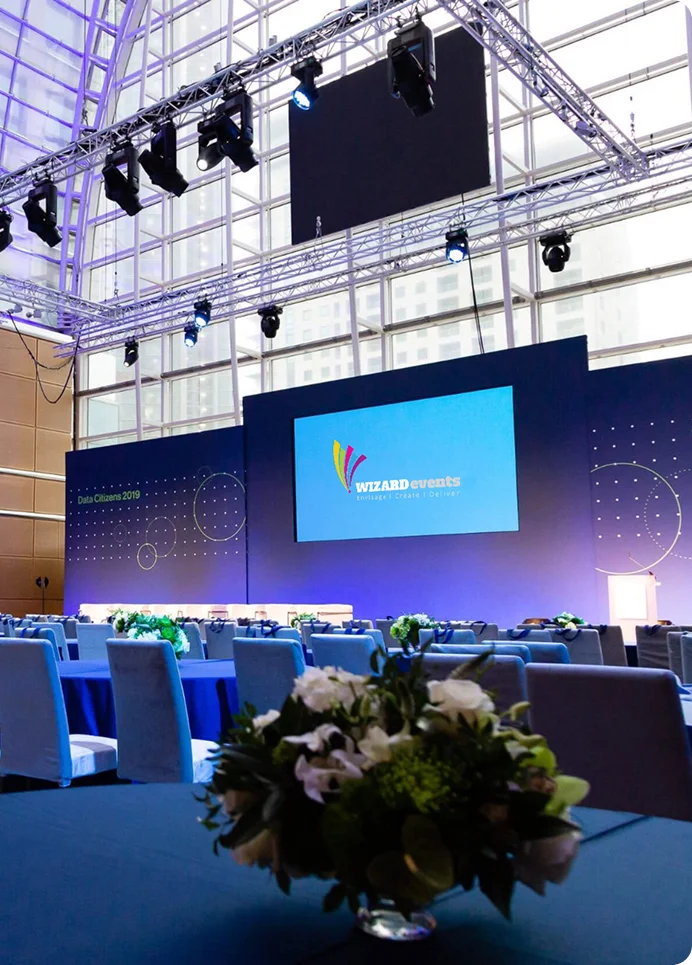
For a long time, scale was treated as proof. Bigger rooms meant bigger intent. More people meant more impact. That logic shaped how events were planned, sold, and judged.
Across organisations, the question has shifted. Not how many people can we gather, but why do we need to gather them at all. The answer, more often than not, points toward smaller, more deliberate formats.
For travel companies, this shift is already visible in the briefs coming in. Leadership offsites instead of town halls. Curated incentive travel instead of mass rewards. Client meets where conversation matters more than choreography.
What Changed in How Organisations Value Gatherings
The last few years forced companies to account for attention. Time away from work began to carry sharper scrutiny. Travel had to justify itself beyond optics. Engagement needed to be felt, not just reported.
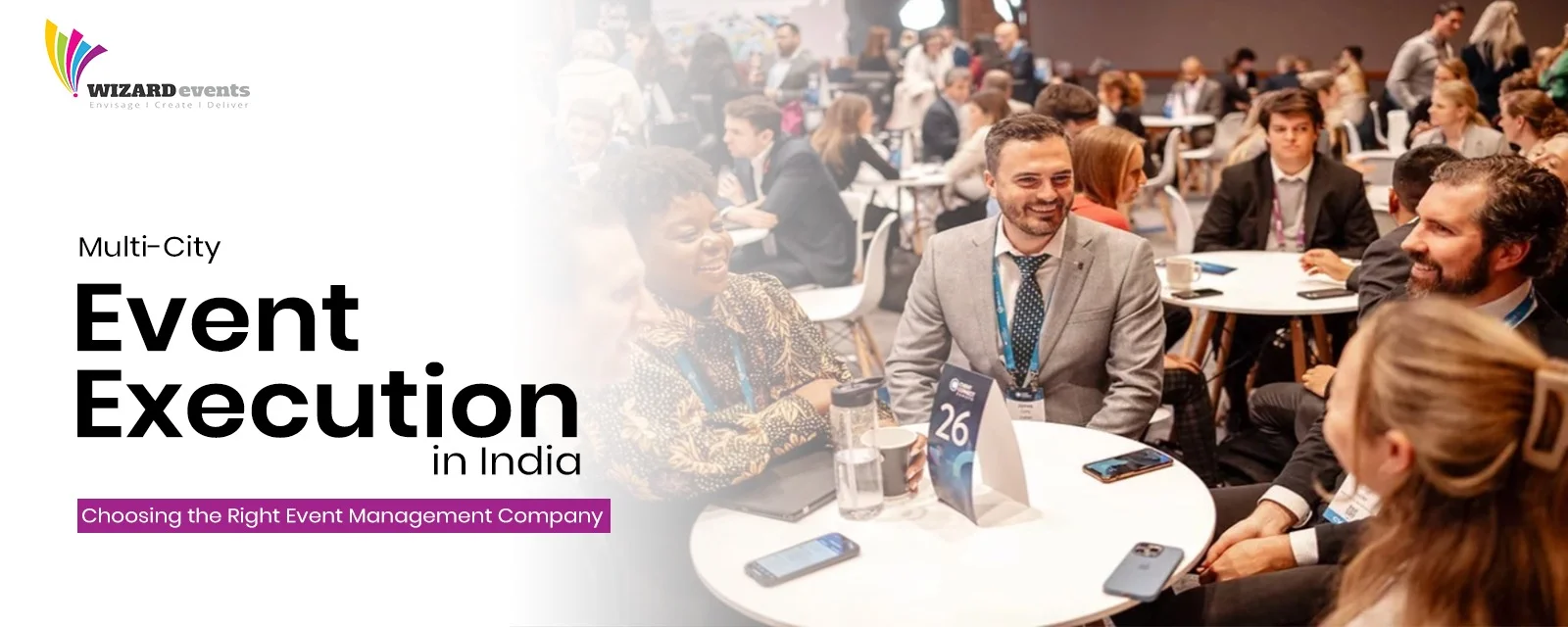
Micro events sit in the space where intent is specific. Where outcomes are defined before formats are chosen. They are built for alignment, not amplification.
This is why mice event management is seeing organisations move away from standardised formats toward experiences shaped around behaviour, conversation, and trust.
Why Smaller Rooms Create Better Outcomes
People listen more carefully. Hierarchies soften. Silence becomes productive instead of awkward. Decisions move forward because context is shared, not diluted.
In large gatherings, engagement has to be manufactured. In micro settings, it tends to surface naturally.
This matters for leadership teams, high-value clients, and specialist groups where nuance cannot be rushed. Micro events allow facilitators and planners to respond in real time, adjusting flow without disrupting the room.
That level of responsiveness is difficult to achieve at scale. It becomes possible when size is intentional.
Micro Events Demand More, Not Less
They leave very little room to hide. Every choice is visible. Every misalignment is felt. There is no crowd to absorb poor pacing or unclear intent.
For travel companies, this changes the nature of the work. Planning shifts from managing volume to managing precision. Travel schedules must feel effortless. Venues must support conversation rather than distract from it. Programming has to breathe without losing direction.
Travel Is Becoming Part of the Experience Itself
Instead of moving large groups through predictable itineraries, organisations are investing in smaller cohorts with clearer objectives. Leadership alignment. Relationship building. Cultural immersion that actually feels immersive.
In this context, travel is not a logistical layer. It shapes how people arrive, how quickly they settle, and how open they are to engagement.
For travel companies, this requires a deeper understanding of why people are travelling, not just where. In micro formats, the environment either supports the outcome or works against it. There is very little neutral ground.
Why Decision-Makers Are Leaning Away From Scale
Senior leaders have grown wary of performative gatherings. The cost is not only financial. It is cognitive.
Large events often prioritise messaging over meaning. mice travel companies Micro events prioritise clarity. They allow leaders to test ideas, surface disagreement, and build alignment without the pressure of optics.
This is why board offsites, senior sales meets, and strategic workshops are increasingly designed as small, contained environments.
For Mice Event Management, this means letting go of one-size-fits-all frameworks and designing formats around how people actually behave when the room feels safe enough to think.
How Execution Changes at a Micro Level
Teams have to read the room constantly. Energy, fatigue, engagement, resistance. Decisions are made closer to the moment, often without formal escalation, because the impact is immediate.
At Wizard Events, micro events are approached as infrastructure. Every element is mapped back to intent. From travel sequencing to seating layouts, the question remains consistent: does this help the outcome we are here for.
This way of working relies on experience rather than templates. It assumes that not everything can be pre-decided, but everything must be thought through.
Why 2026 Will Mark the Inflection Point
Organisations are becoming more deliberate about where attention is invested. Travel budgets are being examined, not eliminated. Leaders are choosing formats that produce clarity rather than content.
At the same time, participants expect experiences that feel considered. Micro events meet that expectation without resorting to excess or spectacle.
By 2026, the expectation will not be that events are large. It will be that they are intentional.
For travel companies, this creates both opportunity and pressure. Volume-led models will feel increasingly out of step. Precision-led thinking will become the baseline.
What This Shift Signals Going Forward
Micro events are not a temporary preference. They reflect a deeper change in how organisations think about time, attention, and human interaction.
As 2026 approaches, the most effective gatherings will not be the most visible. Wizard Events They will be the ones where intent is clear, execution feels calm, and outcomes emerge naturally.
For travel companies and teams working within Mice Event Management, the future will belong to those who recognise that smaller formats demand sharper thinking, steadier judgment, and a deeper respect for how people actually engage when the room allows it.